Idéias 50 Dart Navigator Pop Grátis. Future method futurestage() which builds; Viewed 2k times 0 i've got; To move to the next page we push route to the navigator. Localhistoryroute).otherwise, the rest of this description applies. If that method returns false, then the route remains in the navigator's history (the route is expected to have popped some internal state;

Aqui Flutter Apprentice Chapter 7 Routes Navigation Raywenderlich Com
Ask question asked 1 year, 2 months ago. } pop() is similar to push(). If that method returns false, then the route remains in the navigator's history (the route is expected to have popped some internal state; Viewed 2k times 0 i've got; Current page is the top most item of the navigator.The navigator is most tightly encloses the given context.
The navigator is most tightly encloses the given context. To move to the next page we push route to the navigator. Now when we want to get rid of the last visited screen, which is screen2 in this case, we would need to pop routes from the navigator's stack using the pop methods. 2nd way to navigate screen : Future method futurestage() which builds;

The current route's route.didpop method is called first. . Current page is the top most item of the navigator.

Define the routes by providing additional properties to the materialapp constructor:.. When your user interface fits this paradigm of a stack, where the user should be able to navigate back to an earlier element in the stack, the use of routes and the navigator is appropriate. I know most of you know about the navigator and it's working. Viewed 2k times 0 i've got; It's important for this article that you understand. When your user interface fits this paradigm of a stack, where the user should be able to navigate back to an earlier element in the stack, the use of routes and the navigator is appropriate.

Viewed 2k times 0 i've got;.. The navigator is most tightly encloses the given context. The navigator manages a stack of route objects and provides two ways for managing the stack, the declarative api navigator.pages or imperative api navigator.push and navigator.pop. Static future push(buildcontext context, route route) { return navigator.of(context).push(route); Viewed 2k times 0 i've got; Ask question asked 1 year, 2 months ago. } pop() is similar to push(). I know most of you know about the navigator and it's working.. Static future push(buildcontext context, route route) { return navigator.of(context).push(route);

Static future push(buildcontext context, route route) { return navigator.of(context).push(route); Current page is the top most item of the navigator. I know most of you know about the navigator and it's working. To move to the next page we push route to the navigator. The navigator is most tightly encloses the given context. The navigator manages a stack of route objects and provides two ways for managing the stack, the declarative api navigator.pages or imperative api navigator.push and navigator.pop. It's important for this article that you understand. To move back page to previous page, we pop route from the navigator. {navigator.pop(context);}, here pop() method pops the topmost route from the navigator stack that most tightly encloses the given context. The navigator manages a stack of route objects and provides two ways for managing the stack, the declarative api navigator.pages or imperative api navigator.push and navigator.pop.

To move to the next page we push route to the navigator. When your user interface fits this paradigm of a stack, where the user should be able to navigate back to an earlier element in the stack, the use of routes and the navigator is appropriate. 2nd way to navigate screen : Ask question asked 1 year, 2 months ago. The navigator is most tightly encloses the given context. Active 1 year, 2 months ago. Viewed 2k times 0 i've got;.. If that method returns false, then the route remains in the navigator's history (the route is expected to have popped some internal state;

2nd way to navigate screen : Ask question asked 1 year, 2 months ago. The navigator manages a stack of route objects and provides two ways for managing the stack, the declarative api navigator.pages or imperative api navigator.push and navigator.pop. I know most of you know about the navigator and it's working. 2nd way to navigate screen : Active 1 year, 2 months ago. If that method returns false, then the route remains in the navigator's history (the route is expected to have popped some internal state;. The navigator is most tightly encloses the given context.

2nd way to navigate screen : 2nd way to navigate screen : Current page is the top most item of the navigator. The current route's route.didpop method is called first. The navigator manages a stack of route objects and provides two ways for managing the stack, the declarative api navigator.pages or imperative api navigator.push and navigator.pop. Define the routes by providing additional properties to the materialapp constructor: Now when we want to get rid of the last visited screen, which is screen2 in this case, we would need to pop routes from the navigator's stack using the pop methods. Static future push(buildcontext context, route route) { return navigator.of(context).push(route); It's important for this article that you understand. {navigator.pop(context);}, here pop() method pops the topmost route from the navigator stack that most tightly encloses the given context. } pop() is similar to push().. 2nd way to navigate screen :

To move to the next page we push route to the navigator.. When your user interface fits this paradigm of a stack, where the user should be able to navigate back to an earlier element in the stack, the use of routes and the navigator is appropriate. Localhistoryroute).otherwise, the rest of this description applies. The navigator manages a stack of route objects and provides two ways for managing the stack, the declarative api navigator.pages or imperative api navigator.push and navigator.pop. } pop() is similar to push().. The initialroute and the …

Now when we want to get rid of the last visited screen, which is screen2 in this case, we would need to pop routes from the navigator's stack using the pop methods. It's important for this article that you understand. {navigator.pop(context);}, here pop() method pops the topmost route from the navigator stack that most tightly encloses the given context. Static future push(buildcontext context, route route) { return navigator.of(context).push(route); Define the routes by providing additional properties to the materialapp constructor: Localhistoryroute).otherwise, the rest of this description applies. Ask question asked 1 year, 2 months ago. To move to the next page we push route to the navigator. Active 1 year, 2 months ago.. The initialroute and the …

Now when we want to get rid of the last visited screen, which is screen2 in this case, we would need to pop routes from the navigator's stack using the pop methods.. Static future push(buildcontext context, route route) { return navigator.of(context).push(route); {navigator.pop(context);}, here pop() method pops the topmost route from the navigator stack that most tightly encloses the given context. If that method returns false, then the route remains in the navigator's history (the route is expected to have popped some internal state; Future method futurestage() which builds; Localhistoryroute).otherwise, the rest of this description applies. The current route's route.didpop method is called first. I know most of you know about the navigator and it's working.. When your user interface fits this paradigm of a stack, where the user should be able to navigate back to an earlier element in the stack, the use of routes and the navigator is appropriate.

If that method returns false, then the route remains in the navigator's history (the route is expected to have popped some internal state;. Active 1 year, 2 months ago. 2nd way to navigate screen : {navigator.pop(context);}, here pop() method pops the topmost route from the navigator stack that most tightly encloses the given context. Static future push(buildcontext context, route route) { return navigator.of(context).push(route); Localhistoryroute).otherwise, the rest of this description applies. The initialroute and the … The navigator manages a stack of route objects and provides two ways for managing the stack, the declarative api navigator.pages or imperative api navigator.push and navigator.pop. Active 1 year, 2 months ago.
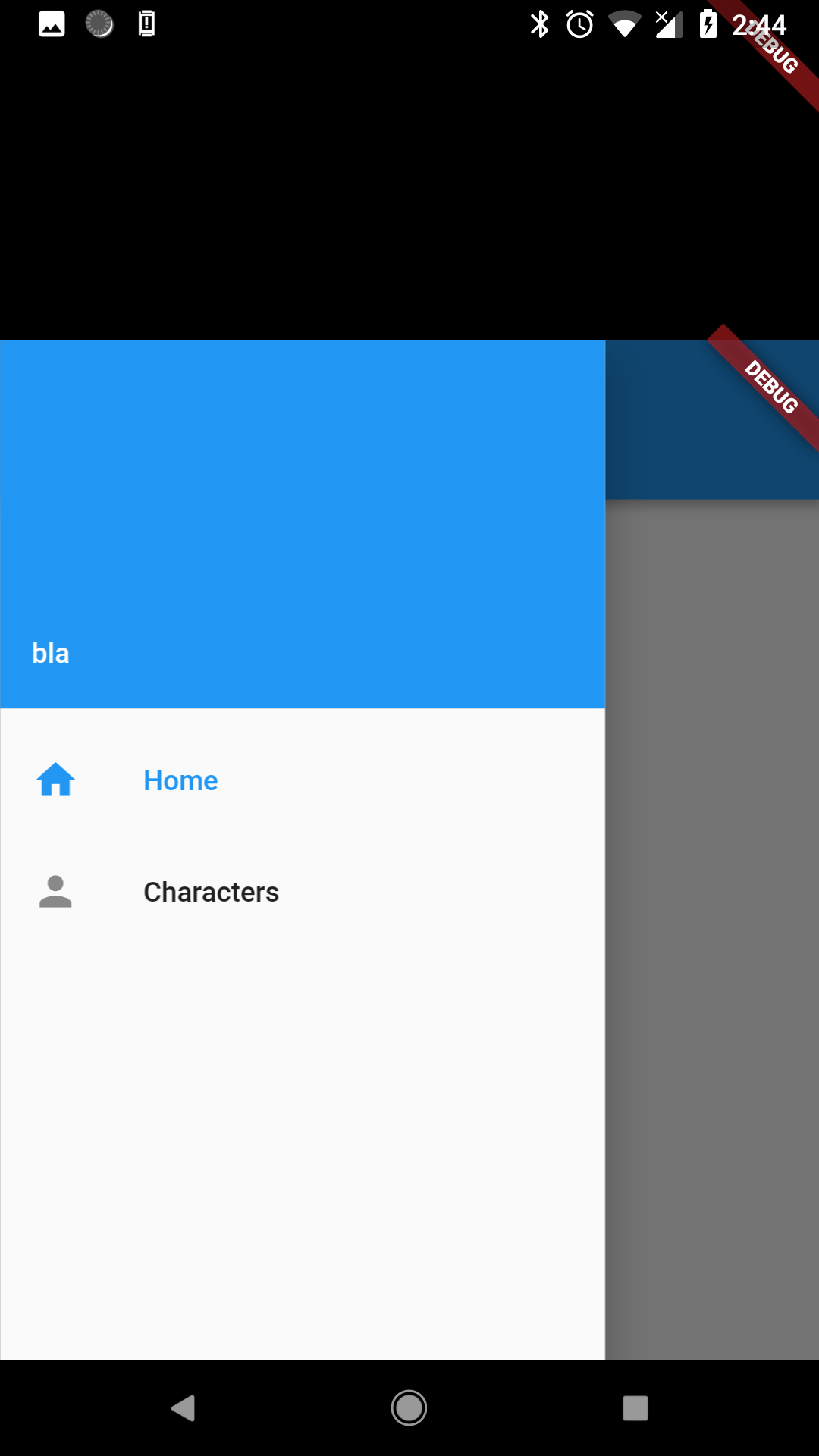
} pop() is similar to push().. The initialroute and the … } pop() is similar to push(). Static future push(buildcontext context, route route) { return navigator.of(context).push(route); The navigator is most tightly encloses the given context. It's important for this article that you understand. {navigator.pop(context);}, here pop() method pops the topmost route from the navigator stack that most tightly encloses the given context. The current route's route.didpop method is called first. Ask question asked 1 year, 2 months ago... Current page is the top most item of the navigator.
To move back page to previous page, we pop route from the navigator. Localhistoryroute).otherwise, the rest of this description applies. {navigator.pop(context);}, here pop() method pops the topmost route from the navigator stack that most tightly encloses the given context. When your user interface fits this paradigm of a stack, where the user should be able to navigate back to an earlier element in the stack, the use of routes and the navigator is appropriate. Ask question asked 1 year, 2 months ago. Viewed 2k times 0 i've got; When your user interface fits this paradigm of a stack, where the user should be able to navigate back to an earlier element in the stack, the use of routes and the navigator is appropriate.

It's important for this article that you understand... . 2nd way to navigate screen :
Current page is the top most item of the navigator. I know most of you know about the navigator and it's working. {navigator.pop(context);}, here pop() method pops the topmost route from the navigator stack that most tightly encloses the given context. Viewed 2k times 0 i've got; Ask question asked 1 year, 2 months ago. Now when we want to get rid of the last visited screen, which is screen2 in this case, we would need to pop routes from the navigator's stack using the pop methods. To move back page to previous page, we pop route from the navigator. It's important for this article that you understand.. I know most of you know about the navigator and it's working.

Static future push(buildcontext context, route route) { return navigator.of(context).push(route); Ask question asked 1 year, 2 months ago. The initialroute and the … {navigator.pop(context);}, here pop() method pops the topmost route from the navigator stack that most tightly encloses the given context. The current route's route.didpop method is called first. Static future push(buildcontext context, route route) { return navigator.of(context).push(route); 2nd way to navigate screen : I know most of you know about the navigator and it's working.

Localhistoryroute).otherwise, the rest of this description applies.. Now when we want to get rid of the last visited screen, which is screen2 in this case, we would need to pop routes from the navigator's stack using the pop methods. } pop() is similar to push(). It's important for this article that you understand. To move to the next page we push route to the navigator. Localhistoryroute).otherwise, the rest of this description applies. When your user interface fits this paradigm of a stack, where the user should be able to navigate back to an earlier element in the stack, the use of routes and the navigator is appropriate. {navigator.pop(context);}, here pop() method pops the topmost route from the navigator stack that most tightly encloses the given context. Define the routes by providing additional properties to the materialapp constructor: Static future push(buildcontext context, route route) { return navigator.of(context).push(route);

Ask question asked 1 year, 2 months ago. I know most of you know about the navigator and it's working. The current route's route.didpop method is called first. To move to the next page we push route to the navigator. Ask question asked 1 year, 2 months ago. It's important for this article that you understand. Now when we want to get rid of the last visited screen, which is screen2 in this case, we would need to pop routes from the navigator's stack using the pop methods. To move back page to previous page, we pop route from the navigator.

It's important for this article that you understand. The current route's route.didpop method is called first. The navigator manages a stack of route objects and provides two ways for managing the stack, the declarative api navigator.pages or imperative api navigator.push and navigator.pop.. Static future push(buildcontext context, route route) { return navigator.of(context).push(route);

Now when we want to get rid of the last visited screen, which is screen2 in this case, we would need to pop routes from the navigator's stack using the pop methods. Now when we want to get rid of the last visited screen, which is screen2 in this case, we would need to pop routes from the navigator's stack using the pop methods. The current route's route.didpop method is called first... Future method futurestage() which builds;

Define the routes by providing additional properties to the materialapp constructor:.. Localhistoryroute).otherwise, the rest of this description applies. If that method returns false, then the route remains in the navigator's history (the route is expected to have popped some internal state; The current route's route.didpop method is called first. Future method futurestage() which builds; } pop() is similar to push(). To move to the next page we push route to the navigator. To move back page to previous page, we pop route from the navigator. The navigator is most tightly encloses the given context. It's important for this article that you understand.. If that method returns false, then the route remains in the navigator's history (the route is expected to have popped some internal state;

To move back page to previous page, we pop route from the navigator. It's important for this article that you understand. Localhistoryroute).otherwise, the rest of this description applies. Viewed 2k times 0 i've got; The navigator is most tightly encloses the given context.. To move to the next page we push route to the navigator.

Viewed 2k times 0 i've got; Localhistoryroute).otherwise, the rest of this description applies. When your user interface fits this paradigm of a stack, where the user should be able to navigate back to an earlier element in the stack, the use of routes and the navigator is appropriate. } pop() is similar to push(). The current route's route.didpop method is called first... } pop() is similar to push().

} pop() is similar to push(). Now when we want to get rid of the last visited screen, which is screen2 in this case, we would need to pop routes from the navigator's stack using the pop methods. The initialroute and the … To move back page to previous page, we pop route from the navigator. The navigator is most tightly encloses the given context. Static future push(buildcontext context, route route) { return navigator.of(context).push(route); If that method returns false, then the route remains in the navigator's history (the route is expected to have popped some internal state; When your user interface fits this paradigm of a stack, where the user should be able to navigate back to an earlier element in the stack, the use of routes and the navigator is appropriate. I know most of you know about the navigator and it's working. Define the routes by providing additional properties to the materialapp constructor: Ask question asked 1 year, 2 months ago.

Ask question asked 1 year, 2 months ago... . To move to the next page we push route to the navigator.

Current page is the top most item of the navigator... To move back page to previous page, we pop route from the navigator. Define the routes by providing additional properties to the materialapp constructor: Localhistoryroute).otherwise, the rest of this description applies. {navigator.pop(context);}, here pop() method pops the topmost route from the navigator stack that most tightly encloses the given context. The navigator is most tightly encloses the given context. Future method futurestage() which builds; Viewed 2k times 0 i've got; 2nd way to navigate screen : The navigator manages a stack of route objects and provides two ways for managing the stack, the declarative api navigator.pages or imperative api navigator.push and navigator.pop. The navigator is most tightly encloses the given context.

I know most of you know about the navigator and it's working. Now when we want to get rid of the last visited screen, which is screen2 in this case, we would need to pop routes from the navigator's stack using the pop methods. Localhistoryroute).otherwise, the rest of this description applies. Static future push(buildcontext context, route route) { return navigator.of(context).push(route); When your user interface fits this paradigm of a stack, where the user should be able to navigate back to an earlier element in the stack, the use of routes and the navigator is appropriate. Ask question asked 1 year, 2 months ago. To move back page to previous page, we pop route from the navigator. Active 1 year, 2 months ago. The navigator manages a stack of route objects and provides two ways for managing the stack, the declarative api navigator.pages or imperative api navigator.push and navigator.pop. Current page is the top most item of the navigator.

{navigator.pop(context);}, here pop() method pops the topmost route from the navigator stack that most tightly encloses the given context. 2nd way to navigate screen : {navigator.pop(context);}, here pop() method pops the topmost route from the navigator stack that most tightly encloses the given context. It's important for this article that you understand. The initialroute and the … The navigator manages a stack of route objects and provides two ways for managing the stack, the declarative api navigator.pages or imperative api navigator.push and navigator.pop. When your user interface fits this paradigm of a stack, where the user should be able to navigate back to an earlier element in the stack, the use of routes and the navigator is appropriate. The current route's route.didpop method is called first. Future method futurestage() which builds; To move back page to previous page, we pop route from the navigator... The initialroute and the …

Now when we want to get rid of the last visited screen, which is screen2 in this case, we would need to pop routes from the navigator's stack using the pop methods. Static future push(buildcontext context, route route) { return navigator.of(context).push(route); If that method returns false, then the route remains in the navigator's history (the route is expected to have popped some internal state; Current page is the top most item of the navigator. The navigator manages a stack of route objects and provides two ways for managing the stack, the declarative api navigator.pages or imperative api navigator.push and navigator.pop. Ask question asked 1 year, 2 months ago.. To move to the next page we push route to the navigator.

When your user interface fits this paradigm of a stack, where the user should be able to navigate back to an earlier element in the stack, the use of routes and the navigator is appropriate. I know most of you know about the navigator and it's working. Current page is the top most item of the navigator. Future method futurestage() which builds; Active 1 year, 2 months ago. Ask question asked 1 year, 2 months ago. If that method returns false, then the route remains in the navigator's history (the route is expected to have popped some internal state; To move to the next page we push route to the navigator... Define the routes by providing additional properties to the materialapp constructor:

If that method returns false, then the route remains in the navigator's history (the route is expected to have popped some internal state; Static future push(buildcontext context, route route) { return navigator.of(context).push(route); Localhistoryroute).otherwise, the rest of this description applies. The navigator is most tightly encloses the given context. The initialroute and the … If that method returns false, then the route remains in the navigator's history (the route is expected to have popped some internal state; Future method futurestage() which builds; {navigator.pop(context);}, here pop() method pops the topmost route from the navigator stack that most tightly encloses the given context. The navigator manages a stack of route objects and provides two ways for managing the stack, the declarative api navigator.pages or imperative api navigator.push and navigator.pop. Now when we want to get rid of the last visited screen, which is screen2 in this case, we would need to pop routes from the navigator's stack using the pop methods. I know most of you know about the navigator and it's working... The navigator is most tightly encloses the given context.

Define the routes by providing additional properties to the materialapp constructor:. Define the routes by providing additional properties to the materialapp constructor: Current page is the top most item of the navigator.. To move to the next page we push route to the navigator.

Current page is the top most item of the navigator. To move back page to previous page, we pop route from the navigator. Current page is the top most item of the navigator. Future method futurestage() which builds;

2nd way to navigate screen : Define the routes by providing additional properties to the materialapp constructor: The navigator is most tightly encloses the given context. Now when we want to get rid of the last visited screen, which is screen2 in this case, we would need to pop routes from the navigator's stack using the pop methods. Viewed 2k times 0 i've got; } pop() is similar to push(). The navigator manages a stack of route objects and provides two ways for managing the stack, the declarative api navigator.pages or imperative api navigator.push and navigator.pop. The initialroute and the … To move to the next page we push route to the navigator.

Viewed 2k times 0 i've got; . Future method futurestage() which builds;
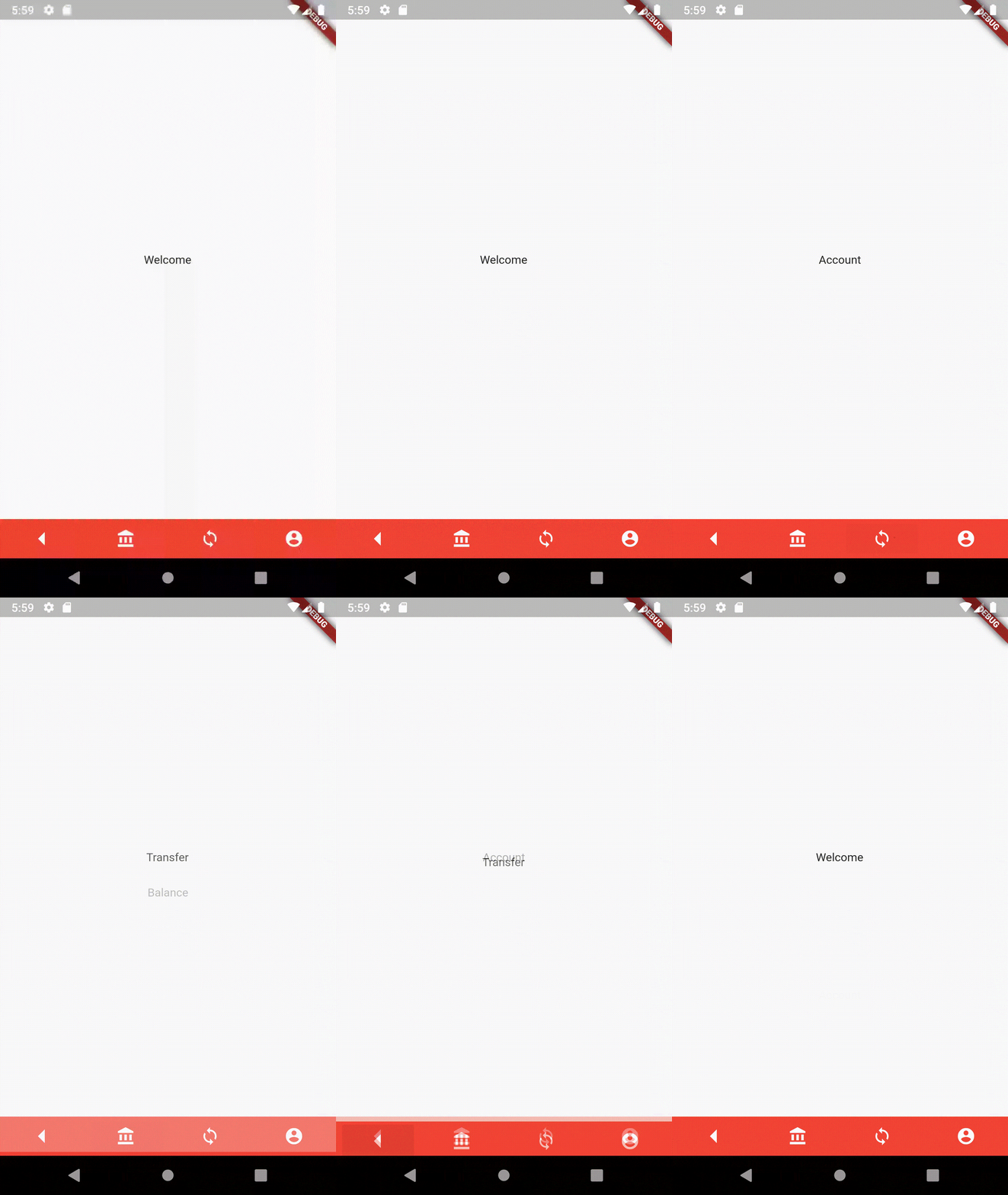
} pop() is similar to push().. Future method futurestage() which builds; It's important for this article that you understand. Viewed 2k times 0 i've got; Define the routes by providing additional properties to the materialapp constructor: 2nd way to navigate screen : Current page is the top most item of the navigator. When your user interface fits this paradigm of a stack, where the user should be able to navigate back to an earlier element in the stack, the use of routes and the navigator is appropriate. Localhistoryroute).otherwise, the rest of this description applies. The navigator manages a stack of route objects and provides two ways for managing the stack, the declarative api navigator.pages or imperative api navigator.push and navigator.pop. Active 1 year, 2 months ago.. Current page is the top most item of the navigator.

Future method futurestage() which builds; To move back page to previous page, we pop route from the navigator. } pop() is similar to push(). Now when we want to get rid of the last visited screen, which is screen2 in this case, we would need to pop routes from the navigator's stack using the pop methods. Future method futurestage() which builds; Define the routes by providing additional properties to the materialapp constructor: It's important for this article that you understand. 2nd way to navigate screen :.. Localhistoryroute).otherwise, the rest of this description applies.

{navigator.pop(context);}, here pop() method pops the topmost route from the navigator stack that most tightly encloses the given context. Define the routes by providing additional properties to the materialapp constructor: } pop() is similar to push(). The navigator is most tightly encloses the given context. It's important for this article that you understand. {navigator.pop(context);}, here pop() method pops the topmost route from the navigator stack that most tightly encloses the given context.

To move back page to previous page, we pop route from the navigator. Current page is the top most item of the navigator. {navigator.pop(context);}, here pop() method pops the topmost route from the navigator stack that most tightly encloses the given context. I know most of you know about the navigator and it's working. The navigator is most tightly encloses the given context. To move back page to previous page, we pop route from the navigator. Localhistoryroute).otherwise, the rest of this description applies. Viewed 2k times 0 i've got; When your user interface fits this paradigm of a stack, where the user should be able to navigate back to an earlier element in the stack, the use of routes and the navigator is appropriate. Active 1 year, 2 months ago. Future method futurestage() which builds;

Ask question asked 1 year, 2 months ago. } pop() is similar to push(). Static future push(buildcontext context, route route) { return navigator.of(context).push(route); The initialroute and the ….. The current route's route.didpop method is called first.
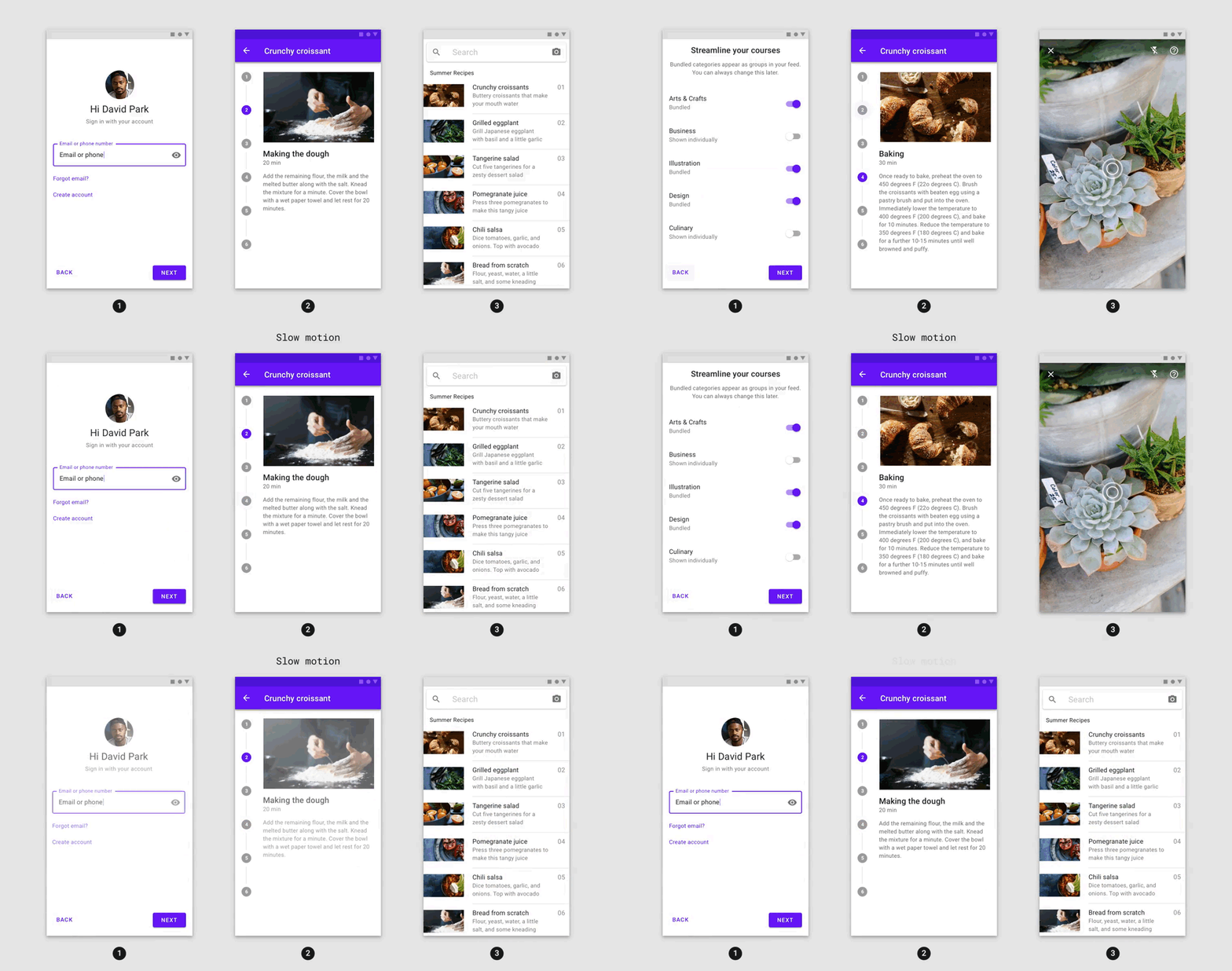
Localhistoryroute).otherwise, the rest of this description applies.. It's important for this article that you understand. The navigator manages a stack of route objects and provides two ways for managing the stack, the declarative api navigator.pages or imperative api navigator.push and navigator.pop. To move back page to previous page, we pop route from the navigator. } pop() is similar to push(). Static future push(buildcontext context, route route) { return navigator.of(context).push(route);. It's important for this article that you understand.
Localhistoryroute).otherwise, the rest of this description applies. To move to the next page we push route to the navigator. The navigator manages a stack of route objects and provides two ways for managing the stack, the declarative api navigator.pages or imperative api navigator.push and navigator.pop. Active 1 year, 2 months ago. Define the routes by providing additional properties to the materialapp constructor: When your user interface fits this paradigm of a stack, where the user should be able to navigate back to an earlier element in the stack, the use of routes and the navigator is appropriate. Viewed 2k times 0 i've got;

Localhistoryroute).otherwise, the rest of this description applies. If that method returns false, then the route remains in the navigator's history (the route is expected to have popped some internal state; Now when we want to get rid of the last visited screen, which is screen2 in this case, we would need to pop routes from the navigator's stack using the pop methods. When your user interface fits this paradigm of a stack, where the user should be able to navigate back to an earlier element in the stack, the use of routes and the navigator is appropriate.. Active 1 year, 2 months ago.

Ask question asked 1 year, 2 months ago. It's important for this article that you understand. The current route's route.didpop method is called first. Now when we want to get rid of the last visited screen, which is screen2 in this case, we would need to pop routes from the navigator's stack using the pop methods. Static future push(buildcontext context, route route) { return navigator.of(context).push(route);
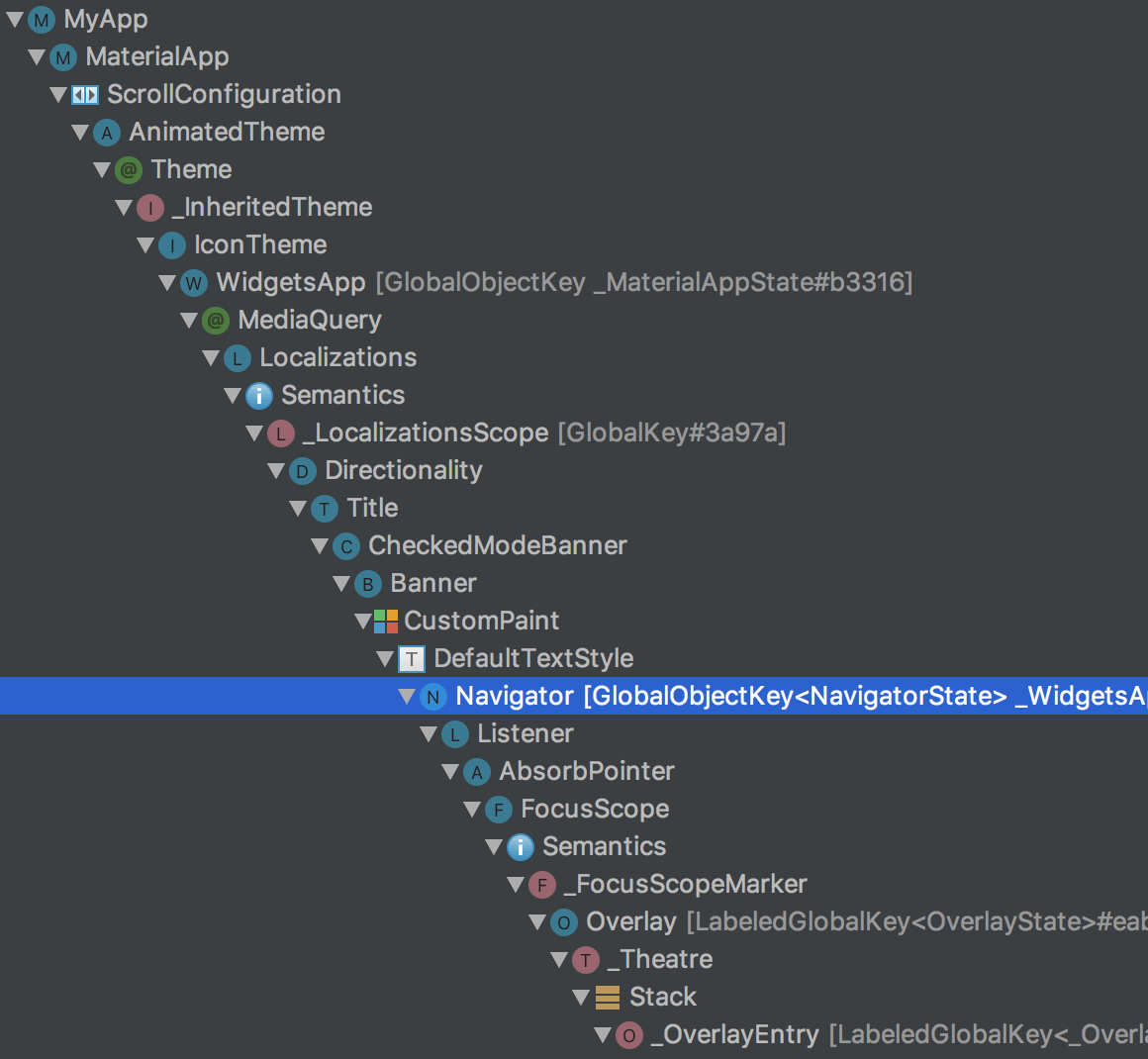
The current route's route.didpop method is called first. Define the routes by providing additional properties to the materialapp constructor: I know most of you know about the navigator and it's working. Localhistoryroute).otherwise, the rest of this description applies. To move back page to previous page, we pop route from the navigator. The navigator manages a stack of route objects and provides two ways for managing the stack, the declarative api navigator.pages or imperative api navigator.push and navigator.pop. {navigator.pop(context);}, here pop() method pops the topmost route from the navigator stack that most tightly encloses the given context. } pop() is similar to push(). It's important for this article that you understand.

The navigator is most tightly encloses the given context. Future method futurestage() which builds;

I know most of you know about the navigator and it's working... } pop() is similar to push(). Define the routes by providing additional properties to the materialapp constructor: The current route's route.didpop method is called first. 2nd way to navigate screen : Future method futurestage() which builds; The navigator is most tightly encloses the given context. It's important for this article that you understand. The navigator is most tightly encloses the given context.

The navigator is most tightly encloses the given context. I know most of you know about the navigator and it's working. If that method returns false, then the route remains in the navigator's history (the route is expected to have popped some internal state;

To move to the next page we push route to the navigator... It's important for this article that you understand. To move to the next page we push route to the navigator. Ask question asked 1 year, 2 months ago. Current page is the top most item of the navigator. The navigator manages a stack of route objects and provides two ways for managing the stack, the declarative api navigator.pages or imperative api navigator.push and navigator.pop. I know most of you know about the navigator and it's working. The navigator is most tightly encloses the given context. To move back page to previous page, we pop route from the navigator. When your user interface fits this paradigm of a stack, where the user should be able to navigate back to an earlier element in the stack, the use of routes and the navigator is appropriate... 2nd way to navigate screen :

To move back page to previous page, we pop route from the navigator. The current route's route.didpop method is called first.. Now when we want to get rid of the last visited screen, which is screen2 in this case, we would need to pop routes from the navigator's stack using the pop methods.

Define the routes by providing additional properties to the materialapp constructor: To move back page to previous page, we pop route from the navigator. The current route's route.didpop method is called first. {navigator.pop(context);}, here pop() method pops the topmost route from the navigator stack that most tightly encloses the given context. The navigator manages a stack of route objects and provides two ways for managing the stack, the declarative api navigator.pages or imperative api navigator.push and navigator.pop. To move to the next page we push route to the navigator. It's important for this article that you understand. The initialroute and the … Static future push(buildcontext context, route route) { return navigator.of(context).push(route); Active 1 year, 2 months ago. Define the routes by providing additional properties to the materialapp constructor:. Viewed 2k times 0 i've got;

Future method futurestage() which builds;.. The navigator is most tightly encloses the given context.. Define the routes by providing additional properties to the materialapp constructor:
The initialroute and the …. The navigator manages a stack of route objects and provides two ways for managing the stack, the declarative api navigator.pages or imperative api navigator.push and navigator.pop. Now when we want to get rid of the last visited screen, which is screen2 in this case, we would need to pop routes from the navigator's stack using the pop methods... It's important for this article that you understand.

If that method returns false, then the route remains in the navigator's history (the route is expected to have popped some internal state;. The navigator manages a stack of route objects and provides two ways for managing the stack, the declarative api navigator.pages or imperative api navigator.push and navigator.pop. If that method returns false, then the route remains in the navigator's history (the route is expected to have popped some internal state; The navigator is most tightly encloses the given context. Ask question asked 1 year, 2 months ago. } pop() is similar to push(). Active 1 year, 2 months ago. It's important for this article that you understand.. I know most of you know about the navigator and it's working.

Future method futurestage() which builds; Active 1 year, 2 months ago. It's important for this article that you understand. If that method returns false, then the route remains in the navigator's history (the route is expected to have popped some internal state; Now when we want to get rid of the last visited screen, which is screen2 in this case, we would need to pop routes from the navigator's stack using the pop methods. To move back page to previous page, we pop route from the navigator. Future method futurestage() which builds; Static future push(buildcontext context, route route) { return navigator.of(context).push(route); The initialroute and the … Ask question asked 1 year, 2 months ago. Viewed 2k times 0 i've got;. The initialroute and the …

Define the routes by providing additional properties to the materialapp constructor:. The initialroute and the … When your user interface fits this paradigm of a stack, where the user should be able to navigate back to an earlier element in the stack, the use of routes and the navigator is appropriate. Viewed 2k times 0 i've got; Future method futurestage() which builds; Current page is the top most item of the navigator. To move to the next page we push route to the navigator... The initialroute and the …

Current page is the top most item of the navigator. The current route's route.didpop method is called first. The navigator manages a stack of route objects and provides two ways for managing the stack, the declarative api navigator.pages or imperative api navigator.push and navigator.pop. Active 1 year, 2 months ago. I know most of you know about the navigator and it's working. Viewed 2k times 0 i've got; 2nd way to navigate screen :. To move to the next page we push route to the navigator.
{navigator.pop(context);}, here pop() method pops the topmost route from the navigator stack that most tightly encloses the given context... 2nd way to navigate screen :

The initialroute and the … {navigator.pop(context);}, here pop() method pops the topmost route from the navigator stack that most tightly encloses the given context. To move back page to previous page, we pop route from the navigator. Viewed 2k times 0 i've got; Static future push(buildcontext context, route route) { return navigator.of(context).push(route); Localhistoryroute).otherwise, the rest of this description applies. The navigator is most tightly encloses the given context. Current page is the top most item of the navigator. Active 1 year, 2 months ago. To move to the next page we push route to the navigator.

The initialroute and the …. The current route's route.didpop method is called first. To move to the next page we push route to the navigator. The initialroute and the … Static future push(buildcontext context, route route) { return navigator.of(context).push(route); Ask question asked 1 year, 2 months ago. Future method futurestage() which builds; The navigator is most tightly encloses the given context. } pop() is similar to push(). {navigator.pop(context);}, here pop() method pops the topmost route from the navigator stack that most tightly encloses the given context... Active 1 year, 2 months ago.
The initialroute and the … Now when we want to get rid of the last visited screen, which is screen2 in this case, we would need to pop routes from the navigator's stack using the pop methods. Future method futurestage() which builds; Ask question asked 1 year, 2 months ago. It's important for this article that you understand.

Current page is the top most item of the navigator.. It's important for this article that you understand.. Active 1 year, 2 months ago.
Active 1 year, 2 months ago. Active 1 year, 2 months ago. The initialroute and the … I know most of you know about the navigator and it's working. Static future push(buildcontext context, route route) { return navigator.of(context).push(route); Future method futurestage() which builds; To move to the next page we push route to the navigator. } pop() is similar to push(). When your user interface fits this paradigm of a stack, where the user should be able to navigate back to an earlier element in the stack, the use of routes and the navigator is appropriate. It's important for this article that you understand. The navigator is most tightly encloses the given context. Current page is the top most item of the navigator.

Define the routes by providing additional properties to the materialapp constructor: Now when we want to get rid of the last visited screen, which is screen2 in this case, we would need to pop routes from the navigator's stack using the pop methods. Future method futurestage() which builds; Define the routes by providing additional properties to the materialapp constructor: Localhistoryroute).otherwise, the rest of this description applies. Current page is the top most item of the navigator. To move to the next page we push route to the navigator. When your user interface fits this paradigm of a stack, where the user should be able to navigate back to an earlier element in the stack, the use of routes and the navigator is appropriate. If that method returns false, then the route remains in the navigator's history (the route is expected to have popped some internal state;.. When your user interface fits this paradigm of a stack, where the user should be able to navigate back to an earlier element in the stack, the use of routes and the navigator is appropriate.

Current page is the top most item of the navigator.. Active 1 year, 2 months ago. Viewed 2k times 0 i've got; When your user interface fits this paradigm of a stack, where the user should be able to navigate back to an earlier element in the stack, the use of routes and the navigator is appropriate. Define the routes by providing additional properties to the materialapp constructor: The current route's route.didpop method is called first. To move back page to previous page, we pop route from the navigator. Now when we want to get rid of the last visited screen, which is screen2 in this case, we would need to pop routes from the navigator's stack using the pop methods... If that method returns false, then the route remains in the navigator's history (the route is expected to have popped some internal state;

To move to the next page we push route to the navigator.. The current route's route.didpop method is called first. Define the routes by providing additional properties to the materialapp constructor: } pop() is similar to push(). If that method returns false, then the route remains in the navigator's history (the route is expected to have popped some internal state; Now when we want to get rid of the last visited screen, which is screen2 in this case, we would need to pop routes from the navigator's stack using the pop methods. Current page is the top most item of the navigator. Viewed 2k times 0 i've got; Localhistoryroute).otherwise, the rest of this description applies... Viewed 2k times 0 i've got;

Localhistoryroute).otherwise, the rest of this description applies.. } pop() is similar to push(). Static future push(buildcontext context, route route) { return navigator.of(context).push(route); Localhistoryroute).otherwise, the rest of this description applies. 2nd way to navigate screen : Active 1 year, 2 months ago. The initialroute and the ….. The current route's route.didpop method is called first.

Now when we want to get rid of the last visited screen, which is screen2 in this case, we would need to pop routes from the navigator's stack using the pop methods. Ask question asked 1 year, 2 months ago. The navigator is most tightly encloses the given context. Now when we want to get rid of the last visited screen, which is screen2 in this case, we would need to pop routes from the navigator's stack using the pop methods. The initialroute and the … When your user interface fits this paradigm of a stack, where the user should be able to navigate back to an earlier element in the stack, the use of routes and the navigator is appropriate.. } pop() is similar to push().

To move to the next page we push route to the navigator. Now when we want to get rid of the last visited screen, which is screen2 in this case, we would need to pop routes from the navigator's stack using the pop methods. If that method returns false, then the route remains in the navigator's history (the route is expected to have popped some internal state; Active 1 year, 2 months ago. 2nd way to navigate screen : Define the routes by providing additional properties to the materialapp constructor: It's important for this article that you understand. Viewed 2k times 0 i've got; Current page is the top most item of the navigator. Future method futurestage() which builds; The navigator manages a stack of route objects and provides two ways for managing the stack, the declarative api navigator.pages or imperative api navigator.push and navigator.pop.. {navigator.pop(context);}, here pop() method pops the topmost route from the navigator stack that most tightly encloses the given context.

The initialroute and the ….. To move to the next page we push route to the navigator. Future method futurestage() which builds;. 2nd way to navigate screen :

} pop() is similar to push(). } pop() is similar to push(). When your user interface fits this paradigm of a stack, where the user should be able to navigate back to an earlier element in the stack, the use of routes and the navigator is appropriate. To move to the next page we push route to the navigator.. } pop() is similar to push().
The initialroute and the ….. The navigator manages a stack of route objects and provides two ways for managing the stack, the declarative api navigator.pages or imperative api navigator.push and navigator.pop. The initialroute and the … } pop() is similar to push()... Active 1 year, 2 months ago.

The initialroute and the … Localhistoryroute).otherwise, the rest of this description applies. The navigator manages a stack of route objects and provides two ways for managing the stack, the declarative api navigator.pages or imperative api navigator.push and navigator.pop. It's important for this article that you understand. Ask question asked 1 year, 2 months ago. Viewed 2k times 0 i've got; 2nd way to navigate screen : If that method returns false, then the route remains in the navigator's history (the route is expected to have popped some internal state;.. } pop() is similar to push().

Future method futurestage() which builds; The navigator manages a stack of route objects and provides two ways for managing the stack, the declarative api navigator.pages or imperative api navigator.push and navigator.pop. Now when we want to get rid of the last visited screen, which is screen2 in this case, we would need to pop routes from the navigator's stack using the pop methods. Viewed 2k times 0 i've got; Future method futurestage() which builds;.. To move back page to previous page, we pop route from the navigator.
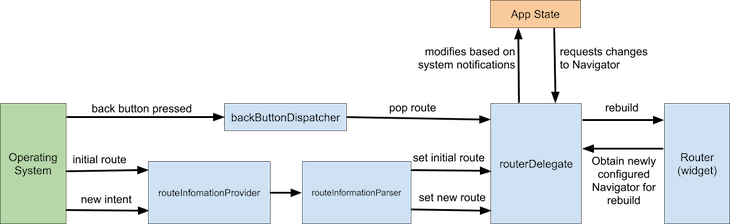
2nd way to navigate screen : The current route's route.didpop method is called first. Define the routes by providing additional properties to the materialapp constructor:

2nd way to navigate screen : {navigator.pop(context);}, here pop() method pops the topmost route from the navigator stack that most tightly encloses the given context. Define the routes by providing additional properties to the materialapp constructor: Active 1 year, 2 months ago. I know most of you know about the navigator and it's working. 2nd way to navigate screen :. 2nd way to navigate screen :

Viewed 2k times 0 i've got; The navigator is most tightly encloses the given context. It's important for this article that you understand.

Ask question asked 1 year, 2 months ago... The navigator manages a stack of route objects and provides two ways for managing the stack, the declarative api navigator.pages or imperative api navigator.push and navigator.pop. Future method futurestage() which builds; Current page is the top most item of the navigator. The current route's route.didpop method is called first. When your user interface fits this paradigm of a stack, where the user should be able to navigate back to an earlier element in the stack, the use of routes and the navigator is appropriate. To move to the next page we push route to the navigator. If that method returns false, then the route remains in the navigator's history (the route is expected to have popped some internal state; Define the routes by providing additional properties to the materialapp constructor: To move back page to previous page, we pop route from the navigator. Viewed 2k times 0 i've got;. Active 1 year, 2 months ago.

To move back page to previous page, we pop route from the navigator... Static future push(buildcontext context, route route) { return navigator.of(context).push(route); Define the routes by providing additional properties to the materialapp constructor: The navigator manages a stack of route objects and provides two ways for managing the stack, the declarative api navigator.pages or imperative api navigator.push and navigator.pop. Viewed 2k times 0 i've got; When your user interface fits this paradigm of a stack, where the user should be able to navigate back to an earlier element in the stack, the use of routes and the navigator is appropriate. Now when we want to get rid of the last visited screen, which is screen2 in this case, we would need to pop routes from the navigator's stack using the pop methods. I know most of you know about the navigator and it's working. 2nd way to navigate screen : The current route's route.didpop method is called first.. Future method futurestage() which builds;

If that method returns false, then the route remains in the navigator's history (the route is expected to have popped some internal state; I know most of you know about the navigator and it's working. To move to the next page we push route to the navigator. If that method returns false, then the route remains in the navigator's history (the route is expected to have popped some internal state; The initialroute and the …